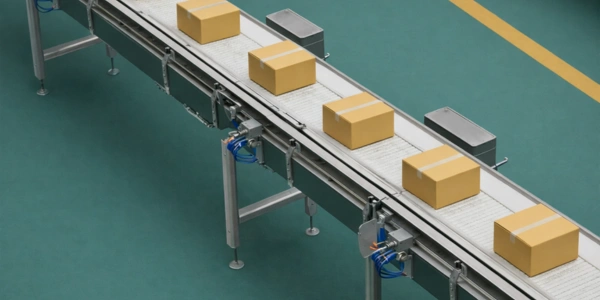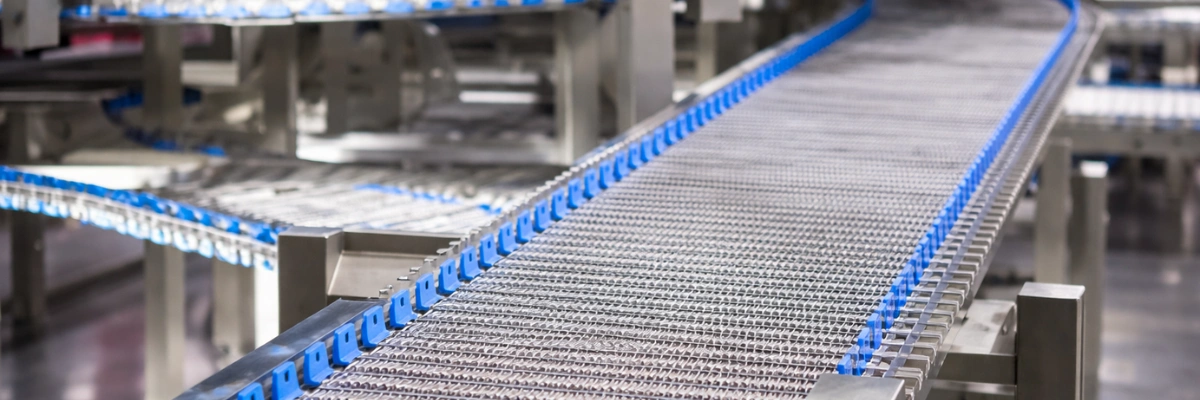
A modular belt conveyor uses interlocking plastic modules driven by sprockets (positive drive). This design helps prevent slippage, supports curved layouts, and makes maintenance simple because individual modules can be replaced without changing the full belt.

Designed to move hot components through controlled cooling zones using fans, chilled air, or water-bath sections (as required by the process).
Best for:
Highlights: stable movement, consistent cooling during transit, rugged construction, scalable layout.

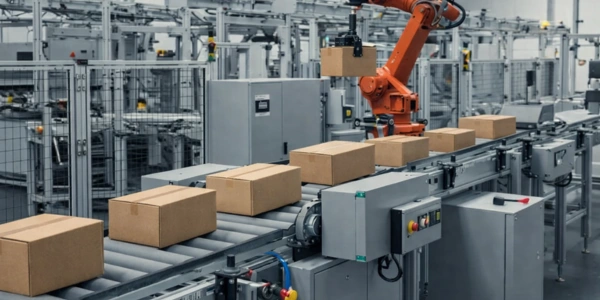
Built for high-speed production and packaging lines, with hygienic design options for washdown areas.
Best for:
Highlights: smooth flow, optional sensors/PLC integration, easy cleaning, custom transfers.

A durable, low-maintenance conveyor suited for wet products and environments where drainage and cleaning matter.
Best for:
Highlights: open-hinge drainage, easy washdown, positive drive, good grip options.

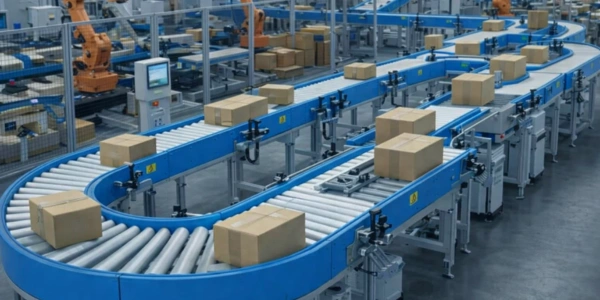
A flexible modular conveyor designed to match your production and inspection needs—compact and scalable for future expansion.
Best for:
Highlights: modular expansion, low maintenance, custom stations and side guides.
consistent motion with reduced slippage
ideal for washdown and food-grade environments
open/flush grid belt styles for wet products
supports space-saving layouts
replace modules instead of changing the entire belt
VFD speed control + sensor/PLC integration (as required)
Stronger quality control, consistent workmanship, and reliable performance from build to delivery.
Engineered to match your layout, workflow, product type, load, and throughput—not a one-size-fits-all system.
Choose mild steel (MS) for cost-effective industrial use or stainless steel (SS) for washdown, corrosion resistance, and hygiene-critical environments.
Supports VFD speed control, sensors, and PLC integration for controlled flow, indexing, accumulation, and line synchronization.
On-site assistance for installation, alignment, trial runs, operator guidance, and smooth commissioning.
Preventive maintenance options and support to maximize uptime and extend equipment life.
Yes—modular belts are often chosen for washdown and hygiene-focused lines because they’re easier to clean and can use drainage/open-grid belt styles (application dependent).
Yes. Modular belts are widely used for curved conveyors because the sprocket-driven design provides stable motion and routing flexibility.
Yes—inclines can be handled using cleats/flights, side guides, and the right belt surface, depending on product type and load.
Common options include flat top, flush grid/open grid (drainage/airflow), friction top (grip), and cleated/flighted belts for inclines.
Yes. Industrial Direct (SFLO) can support VFD speed control and integration with sensors/PLC (as required by the project scope).
Load depends on belt type, sprocket/shaft design, support spacing, product size, and accumulation. Share your product weight and throughput for correct sizing.
Typical maintenance includes cleaning (as needed), sprocket alignment checks, belt tracking/inspection, tension checks, and replacing worn modules if required.
Yes. One advantage of modular belts is that individual modules can often be replaced, reducing downtime versus replacing a full continuous belt.
Please share:
Yes. Industrial Direct (SFLO) can provide installation & commissioning support and after-sales service / AMC options for long-term uptime.