
Wind Energy
Wind Energy Fundamentals: Understanding Vertical Axis Wind Turbines
Wind energy comes from moving air. A wind turbine captures part of this movement and converts it into electrical power.
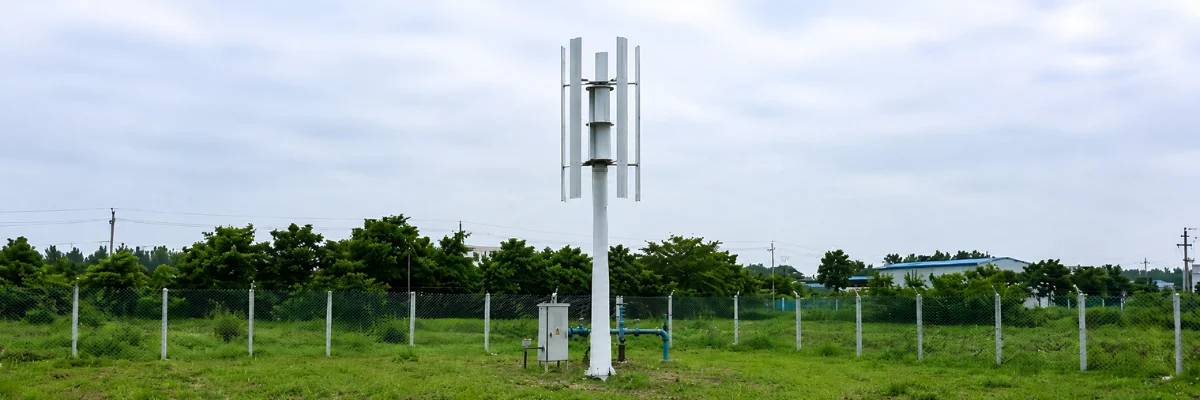
A vertical axis wind turbine uses blades that rotate around an upright shaft. Its performance depends on the energy available in the wind, the rotor design, and the efficiency of the generator.
Wind Energy Fundamentals
Wind contains kinetic energy because air has mass and speed.
The amount of available wind energy increases rapidly as wind speed rises. This means a small change in wind speed can create a much larger change in potential power output.
Air density also affects the energy available. Denser air can carry more energy than lighter air moving at the same speed.
Vertical Axis Wind Turbine Working Principle
A vertical axis wind turbine converts wind energy in three main stages.
Aerodynamic Force Moves the Rotor
Wind flowing around the blades creates lift, drag, or a combination of both.
These forces produce torque, causing the rotor to turn around the vertical shaft.
The Shaft Transfers Mechanical Energy
The rotating shaft carries mechanical energy from the rotor to the generator.
Some turbines connect the rotor directly to the generator, while others use transmission components to adjust rotational speed.
The Generator Produces Electricity
The generator uses electromagnetic induction to convert rotation into electrical energy.
The electricity then passes through control and power-conditioning equipment before it is used, stored, or supplied to another electrical system.
Main Components of a Vertical Axis Wind Turbine
The rotor captures energy from the wind, while the shaft transfers rotational force.
Bearings support smooth movement and reduce friction. The generator produces electricity, and the controller manages voltage, speed, and system protection.
The support structure keeps these components aligned during operation.
Factors Affecting VAWT Power Output
Wind speed has the greatest effect on available power, but rotor area and turbine efficiency are also important.
A turbine cannot capture all the energy in the airflow. Some energy remains in the wind after it passes through the rotor.
Mechanical friction, generator losses, and electrical conversion losses further reduce the amount of usable electricity produced.
Rated Power and Actual Energy Production
Rated power is the output a turbine can produce under specific test conditions.
It does not show how much electricity the turbine will generate over a day, month, or year.
Actual energy production depends on the wind-speed distribution, operating hours, system losses, shutdown periods, and turbine power curve.
For this reason, annual energy output is usually more useful than rated power when evaluating a turbine.
Answers before you enquire
Frequently asked questions
What are the basic fundamentals of wind energy?
Wind energy involves capturing the kinetic energy of moving air and converting it into mechanical rotation and then electricity.
How does a vertical axis wind turbine generate electricity?
Wind creates force on the blades, the rotor turns the vertical shaft, and the generator converts that rotation into electrical power.
What affects vertical axis wind turbine power output?
Wind speed, air density, rotor size, aerodynamic efficiency, mechanical losses, and generator performance all affect output.
Is rated power the same as actual VAWT energy production?
No. Rated power is measured under defined conditions, while actual energy production changes with real wind conditions and operating time.
What is the main energy conversion in a VAWT?
A VAWT converts wind energy into rotational mechanical energy and then into electrical energy.
Keep reading
Related guides
How to Maintain a Vertical Axis Wind Turbine for Long-Term Performance
Regular maintenance helps a vertical axis wind turbine operate safely, produce reliable power, and avoid unexpected breakdowns.
Read the guideHow to Improve Vertical Axis Wind Turbine Efficiency
Improving vertical axis wind turbine efficiency requires more than increasing rotor speed. The turbine must capture wind effectively, maintain stable…
Read the guideHow Each Component Affects VAWT Performance
VAWT performance depends on how well its main components capture, transfer, and convert wind energy.
Read the guideSend the requirement. Start the right conversation.
Share a part number, a photo, a drawing or a complete BOM. Price, availability, technical scope and delivery are confirmed in your quotation.